


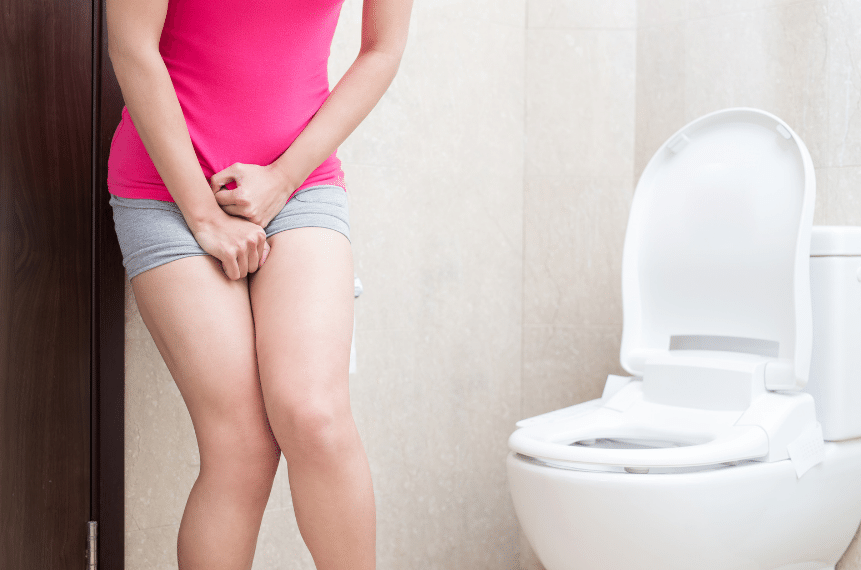
Let’s face it; a leaky bladder isn’t something that anyone wants to talk about in public. But the reality is that urinary incontinence is a fairly common problem for millions of people throughout the world. Urinary incontinence happens when you’re unable to either store or pass urine, or both. This disruption in bladder function can be short-lived (acute), or it can be chronic or permanent.
There are a number of different types of urinary incontinence:
Stress incontinence occurs when your urethra—the small tube through which urine passes out of your body—is not strong enough to hold the contents of your bladder in place. What this means is that any kind of pressure on your bladder, such as a sneeze, jumping or laughing causes urine to leak out of your bladder.
There are a number of underlying causes of stress incontinence, including:
- Weak pelvic floor muscles—this is incredibly common
- Damage to pelvic floor muscles during childbirth
- Pressure on your abdomen from pregnancy or being overweight
- Unintended surgical damage to your bladder, such as during a hysterectomy, or in men, the removal of their prostate gland
- Brain or spinal cord issues, in conditions such as multiple sclerosis, Parkinson’s disease or paralysis
- Some medications
Urge Incontinence is described as a frequent and urgent sensation that you need to pass urine. This is an issue with the detrusor muscles that relax to allow your bladder to fill and then contract to allow you to urinate. An overactive bladder is when the detrusor muscles contract too frequently, creating the urge to urinate when your bladder may not be full. Causes of urge incontinence include:
- Becoming dehydrated. While this may seem counterintuitive, not drinking enough can cause your urine to become too concentrated (think dark yellow), which can actually irritate your bladder.
- Overdrinking alcoholic or caffeinated drinks, which can stimulate bladder activity
- Urinary tract infections
- Constipation
- Some medications
Chronic urinary retention, or overflow incontinence is usually caused by something obstructing your bladder, such as bladder stones, constipation, or in men, an enlarged prostate gland. What happens is that your bladder can fill up, but the obstruction interferes with your ability to empty it when you try. Incontinence occurs when the pressure from the unreleased urine in your bladder causes leaking around the obstruction.
Sometimes overflow incontinence occurs when your detrusor muscles don’t fully contract to allow your bladder to empty completely. This can happen due to nerve damage from bowel or spinal cord injury, or from some medications.
Total incontinence occurs when your bladder is unable to hold any urine at all. This causes constant leaking of large amounts of urine. This condition can be due to a congenital (from birth) problem with your bladder, spinal cord injury or a small hole in your bladder, called a fistula.
Risk Factors for Incontinence
While there are a number of common causes, there are also some things in your genetic makeup or health history that may contribute to your risk of developing urinary incontinence. They include:
- Your age. As you get older, your chances of developing incontinence increase. In fact, this is a very common condition in people as they approach their 80’s and beyond. This may be due to a number of factors, but a very common cause is the weakening of the pelvic floor muscles.
- Your genetics. If you have one or more family members with urinary incontinence, your risk of developing it may be higher. This is also true for men who have male family members with prostate problems, which can also increase their risk for incontinence.
- Having a history of UTI’s (urinary tract infections), you may be at an increased risk for incontinence.
- Some of the medications that you take can also increase your risk for incontinence. They include blood pressure medications, diuretics, antihistamines, antispasmodics, muscle relaxers, narcotics and opiates.
Treatment Options
Clearly, treatment for incontinence depends on the underlying cause and diagnosis. In many cases, an accurate diagnosis may involve testing your urine for bacteria or blood, measuring residual urine volume after you have peed, or a cystoscopy, in which a thin tube and camera are used to look inside your bladder.
Standard treatments for incontinence (depending on what type you have) involve options such as lifestyle changes, pelvic floor exercises, biofeedback, electrical stimulation and certain medications.
You may be surprised to find that acupuncture can be helpful in treating incontinence, too. In fact, researchers have discovered that acupuncture treatments provided an improved quality of life for patients with an overactive bladder. In another analysis of several studies, researchers concluded that acupuncture and Chinese medicine helped improve incontinence symptoms, urinary tract function and quality of life for women with stress incontinence.
Scientists have a number of theories as to why and how acupuncture can help with incontinence and overactive bladder symptoms. They suggest that acupuncture:
- May correct certain nerve fibers associated with bladder activity
- Is known for its ability to reduce inflammation, and may help by reducing irritation and inflammation to the bladder
- Increases blood flow, which can decrease not only inflammation, but also bladder pain and muscle spasms
- Can help relax pelvic floor muscles
- May strengthen the function of nerves near the bladder, which can help suppress excessive contractions and bladder overactivity
Depending on your diagnosis and the underlying cause, acupuncture may have a lot to offer patients who are struggling with urinary incontinence. Even though a leaky bladder is fairly common, most people don’t want to discuss it, and nobody wants to have to live with it. If you’re having incontinence issues, let me help. Contact me today for more information or to set up an appointment.
Click here for a free 15-minute consultation!


Dr. Jeda Boughton is a Doctor of Traditional Chinese Medicine and Registered Acupuncturist in Vancouver. She is also a Registered Herbologist and the founder of BodaHealth.


