


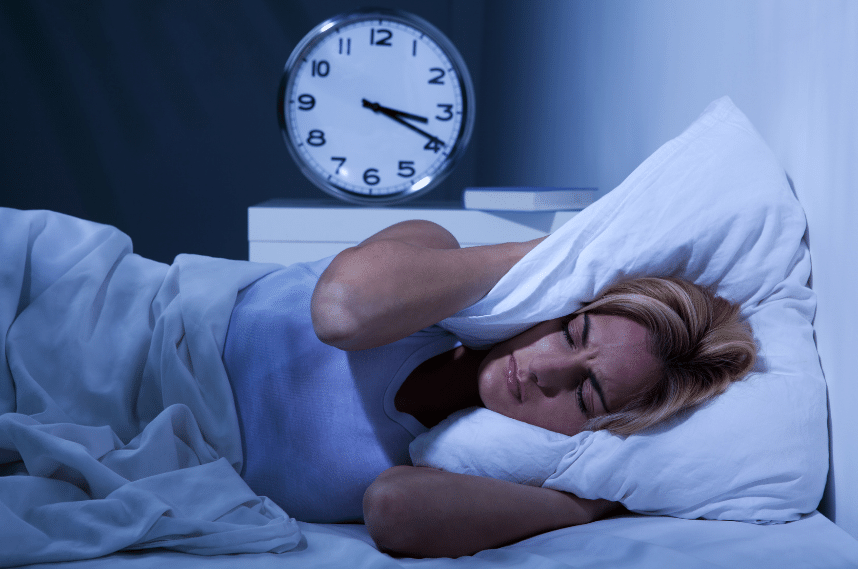
Going through menopause is different for every woman. Some women sail right through without much fanfare, while others experience symptoms, some of which can be minor and mildly annoying and others that can be severe enough to affect their quality of life. In many cases, the topic hot flashes and night sweats tend to be the main act when talking about menopause. However, many women who are in perimenopause will tell you that sleep issues are far more common and upsetting to their overall well-being. There are a number of things to know about sleep disturbances during this time of life, including how acupuncture and Chinese medicine can help make things better.
Sleep problems tend to surface during perimenopause, which involves the several years leading up to menopause. It’s associated with changes in your menstrual cycle, hot flashes, mood swings and a change in your sleep patterns. Menopause is the official end of reproduction and is defined as having had no menstrual periods for a year or more.
About half of all women say they have problems with insomnia during perimenopause. Researchers have discovered that sleep symptoms begin during early perimenopause and they tend to peak in severity and frequency as you approach menopause. While these symptoms tend to get better after you have gone through menopause, they can linger well into the post-menopausal years for some women. The most common menopausal sleep problem is staying asleep during the night. Another common problem is that hot flashes and night sweats can disrupt your sleep, and for some women, these symptoms can cause them to wake several times a night.
Lack of good sleep can affect your life in a number of ways. If insomnia goes on night after night, you’re likely to wake not feeling rested, and experience daytime fatigue. But that’s not all. Not sleeping can make you irritable and cranky, can mess with your mood, and is even linked to depression. In fact, insomnia and depression in perimenopausal women is considered a comorbidity, which means that they’re conditions that commonly occur together. Lack of adequate sleep can also make you more forgetful, be a trigger for falls or other accidents and scientists are also finding that early waking may actually trigger hot flashes, rather than hot flashes causing you to wake. In addition, the combination of hormonal changes and weight gain that can occur during this time elevates the risk of sleep apnea.
So why does insomnia occur during perimenopause? The answer is that your body is changing, especially your hormone levels. These hormonal changes not only trigger vasomotor symptoms, such as hot flashes and flushing, but it also causes your brain to be more active during the time you should be sleeping. The upshot is that you may sleep lighter, wake earlier and have poor quality sleep. The time of year can also make a difference in your sleep during perimenopause and beyond. Many women report that they have more hot flashes and night sweats during the warmer summer months, as warmer temperatures can trigger these heat-related symptoms.

In Chinese medicine, sleep issues during perimenopause are commonly attributed to an imbalance between Yin and Yang. Yin, which in your body is cooling, calming and nourishing tends to decrease as you move into menopause. Reproductive hormones, especially estrogen, are considered to be Yin in nature. During perimenopause, when estrogen levels decrease, warm and active Yang takes over in the form of hot flashes, night sweats, and the inability to rest quietly at night.
The good news is that Chinese medicine also offers some answers and treatments to supplement Yin, clear some of the heat and help you sleep better. Scientists have discovered that acupuncture can help regulate reproductive hormones at the hypothalamic-pituitary-adrenal axis in the brain. It also boosts the circulation of calming, feel-good neurotransmitters that can help you sleep. In addition, acupuncture is incredibly calming. In fact, acupuncture is well-known for helping people sleep better, even those who are not experiencing menopause-related insomnia.
Chinese herbal medicine is often used in conjunction with acupuncture, and is especially useful in helping women with symptoms associated with menopause. Herbs are combined into formulas, and each herb has its own set of actions. For example, you may be prescribed a formula compiled to nourish and build Yin, decrease the heat that’s causing hot flashes, boost daytime energy, target your emotional health, or a variety of other actions specific to your needs. Your practitioner may also prescribe certain foods, such as those that are particularly good at nourishing Yin. They may also suggest foods to avoid that may interfere with your sleep.
The bottom line is that sometimes sleep problems are overlooked during the transition into menopause, but the impact of insomnia can be very real. Your doctor of traditional Chinese medicine can assess the factors that are contributing to your lack of sleep and provide acupuncture treatments, herbal medicine, food therapy, lifestyle suggestions and other treatment modalities to help you through this important transition. If you’re struggling to get a good night’s sleep or want more information about how acupuncture and Chinese medicine can support your through perimenopause, menopause and beyond, please don’t hesitate to contact our clinic.
Click here for a free 15-minute consultation!


