


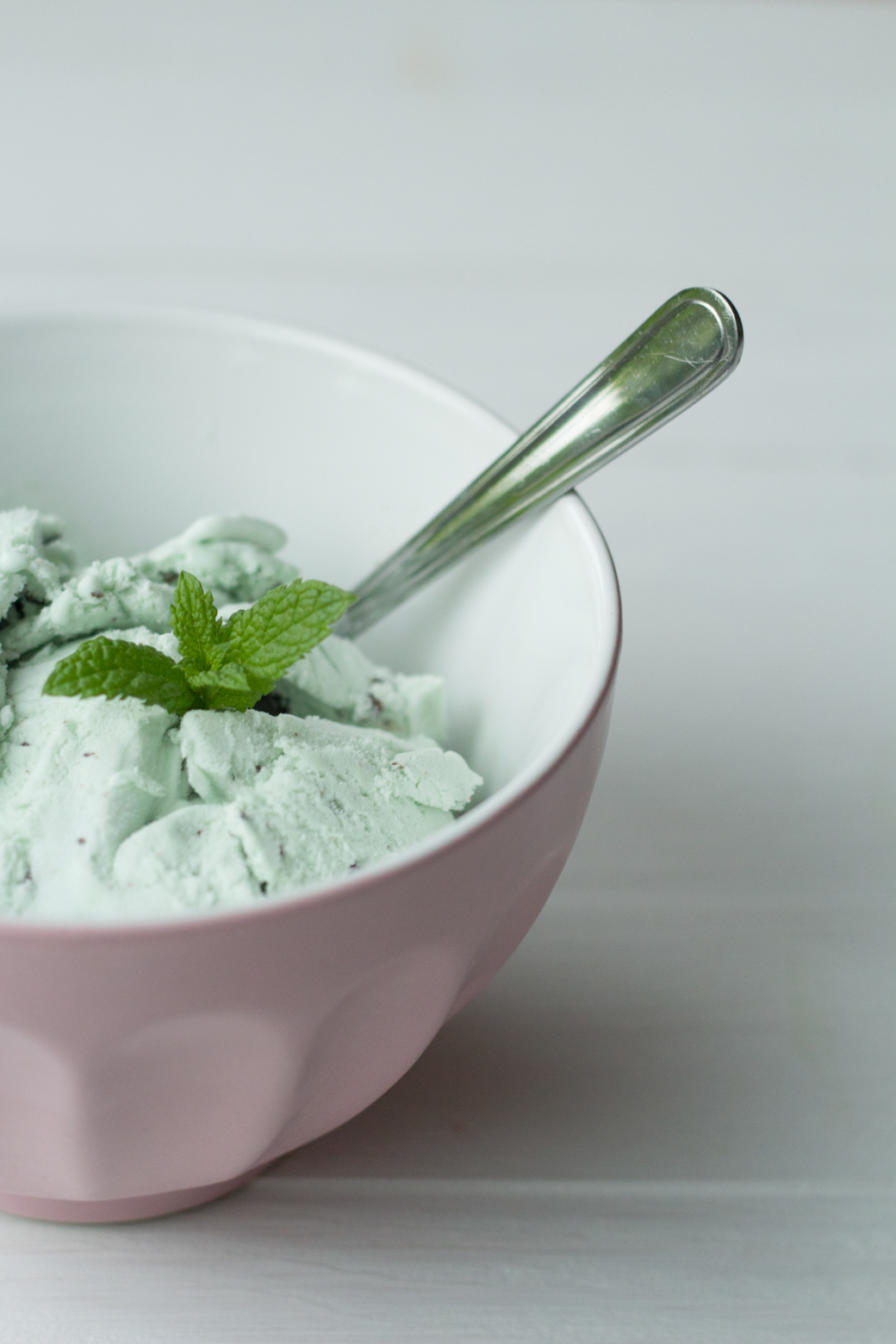
 Mint can be found everywhere! It’s used to flavor chewing gum, to pair with chocolate in your favorite candy and as the main flavor in candy canes. Small candies used to freshen your breath are actually called mints. And mint chocolate chip ice cream is one of the most popular flavors of ice cream, behind the staples of chocolate, vanilla and strawberry. Mint is also used in teas and as a spice in some Middle Eastern recipes. What you may not know about mint is it has a number of health benefits and is an important herb in Chinese medicine.
Actually, mint is a term used for a number of plants, including peppermint and spearmint, but they all belong to the Mentha family. its most notable characteristic is the cooling sensation that you feel after ingesting something minty.
 In Chinese herbal medicine, mint is called Bo He, which are the leaves of the field mint plant. While field mint may sound like it’s a wild plant, what’s used for medicinal purposes is actually cultivated. Bo He has the properties of being acrid, or strongly flavored, and of course, cooling. It’s also an aromatic plant, which simply means that it’s strongly scented, like lavender, lemon balm, sage or thyme. These fragrant herbs are the basis of aromatherapy, in which scent is used for healing purposes.
A practitioner of Chinese herbal medicine might use mint for a variety of reasons, such as:
- Mint can help treat a cold or flu, especially when there’s heat involved. A high fever, sweating, a very sore throat or deep cough indicate that what’s ailing you has some heat to it and is best treated with cooling herbs, such as mint.
- It can also take the heat out of red, sore or irritated eyes, either associated with your cold or flu, or when your eyes are overworked, irritated and red on their own.
- Mint can help bring out a rash in its early stages. Encouraging it to come to the surface helps shorten the time it takes for the rash to heal.
- Mint is also used in formulas to move Qi, especially stagnant Liver Qi, which is characterized by chest tightness, strong emotions, depression, irritability, and pain in your ribs.
In addition to the healing properties attributed to mint in Chinese medicine, Western research studies have shown that mint has other health benefits, most notably relieving digestive issues. Researchers have found that mint can help relieve the pain, gas, bloating and constipation associated with IBS (irritable bowel syndrome). Standard treatments for this condition include making changes in your diet and taking medications. However, research shows that peppermint oil capsules can work better than fiber and as well as muscle relaxing drugs in calming the overactive bowel muscles responsible for the painful cramping and other symptoms of IBS. Other studies have shown that peppermint oil can also help food digest and move through your stomach, which can help relieve the symptoms of indigestion.
Most of the research on the health benefits of mint involved the use of peppermint. However, the other varieties of mint (those in the Mentha family) also contain menthol, which is believed to have the muscle relaxing effects on your digestive tract.
Mint has also been found to help alleviate sore and cracked nipples in breastfeeding mothers. Research has shown that applying mint to the skin can help relieve pain and prevent cracks. In the studies, different forms of mint were used, including essential oil of mint mixed with an oil, gel or water, or menthol essential oil.
If you struggle with bad breath, mint is likely the first thing that comes to mind. Mint flavored mouthwash, toothpaste, chewing gum and breath mints are the first line of defense in getting rid of or preventing bad breath. And while these products only mask bad breath, they don’t really treat the source of the problem. However, test-tube studies show that drinking mint tea or chewing on fresh mint leaves may actually be able to alleviate bad breath by reducing the bacteria causing the problem in the first place.
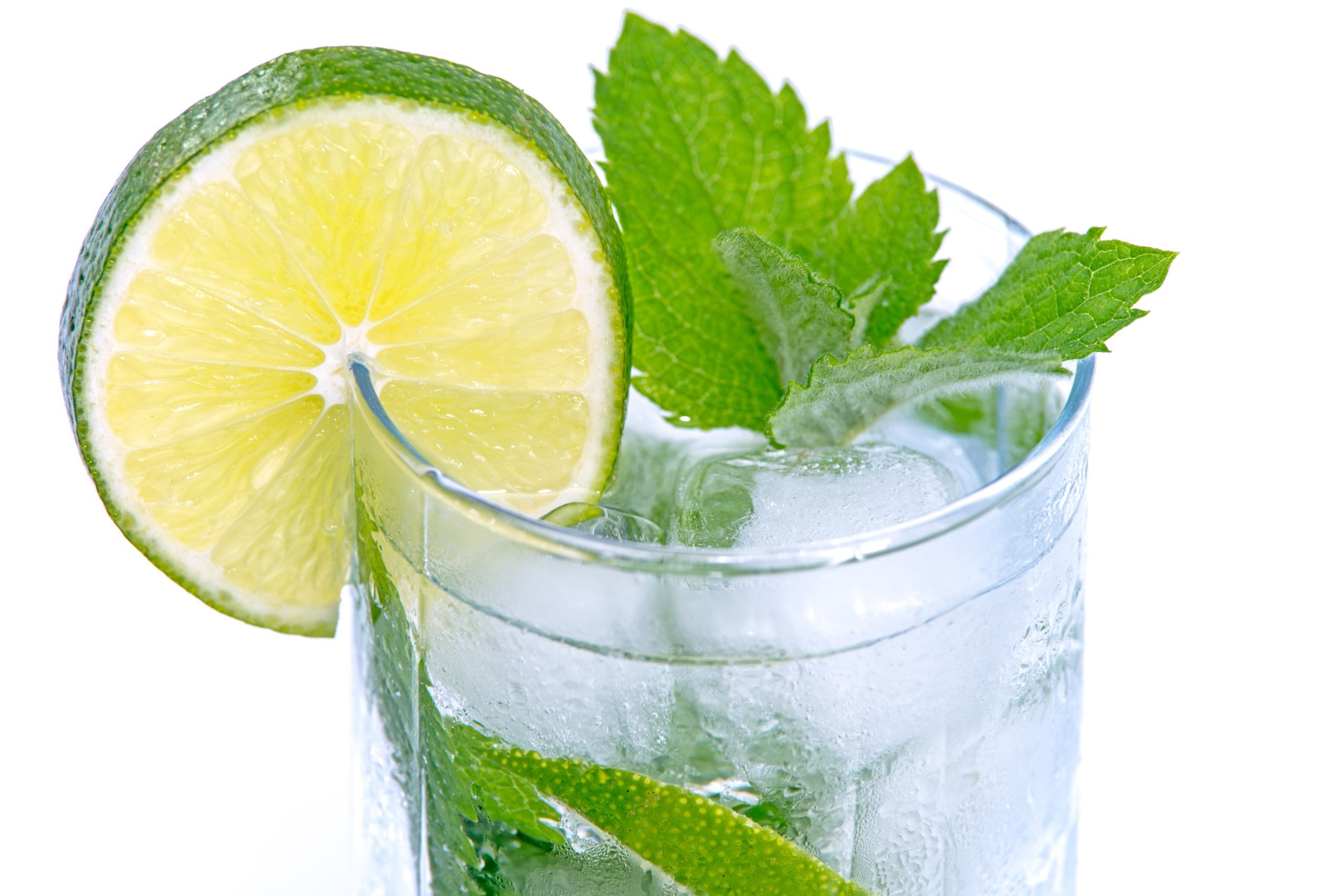
So how can you add mint to your diet? Despite being high in antioxidants and other nutrients, its strong flavor makes it difficult to eat in large quantities. In fact, in the studies involving mint, it was ingested as a capsule, inhaled through aromatherapy or applied to the skin—not through eating the leaves. That said, it’s easy to add small amounts to your diet—you can use either fresh or dried mint. Drinking mint tea is one of the most popular ways to get this herb into your life. Mint can be the main act or used to flavor green tea or in combination with other herbs. If you’d rather get your mint in a cocktail, there are a number of options, such as a mint julep, mojito or as a garnish to almost any mixed drink. Mint can also be used in sauces, smoothies, salads and desserts.
It’s easy to understand why the ancient Chinese included mint into their formulary of healing herbs. The cooling and aromatic properties of this useful herb translates into usefulness in treating a variety of health conditions and symptoms. Mint is added to a number of formulas in Chinese medicine, and if you’d like to know more, or if herbal medicine is right for you, please give me a call at 604-733-2632!
Click here for a free 15-minute consultation!


Dr. Jeda Boughton is a Doctor of Traditional Chinese Medicine and Registered Acupuncturist in Vancouver. She is also a Registered Herbologist and the founder of BodaHealth.


