


I have to admit that I love living in Vancouver because there are so many opportunities for physical activity. Since my childhood, I’ve participated in all kinds of activities and sports. Currently, I spend my free time mountain biking, skiing, playing hockey, hiking and just about anything else someone wants to do on a weekend afternoon. Since my childhood, I’ve also had my share of injuries related to my athletic lifestyle, and some of those injuries continue to annoy me to this day. But the good news is that Vancouver has access to all kinds of therapies to help me recover from my injuries in a natural way and as quickly as possible.
I’m proud to say that I’m a part of that community of health care providers in Vancouver. In the spirit of “It takes one to know one”, I treat a great number of people with athletic injuries. To me, it’s a vital and interesting part of my practice.
I’m surprised, however, that many people don’t know that there’s such as thing as sports acupuncture. I often hear people talk about sports massage and other sports medical services, but I rarely hear the term sports acupuncture from those who aren’t acupuncturists. I know, it’s a distinction that we acupuncturists make; but it’s an important one. One of the ways I like to describe it to patients is by using the example of art. There are many different styles of art, such as sculpture, water color, photography, performance art and drawing. And that’s just the visual arts. You could include music, writing, dance and storytelling as forms of art, too.
Along that line, there are many schools of thinking and styles of acupuncture, too. Among them are theories and methods that make up sports acupuncture—or they are methods that work extremely well for a number of conditions, including sports injuries. Among them:
- Trigger point acupuncture. This is also called motor point or ashi point acupuncture. A trigger/motor/ashi point is a super irritable spot located in a tight or sore muscle. You may recognize these points when you have a sore muscle or injury and you begin to poke around in the affected area. There will be a point or two that feel like ground zero for all of your pain. In Chinese, when a practitioner finds that point on a patient, they will often say “ashi!”, or that’s the point! Regardless of what it’s called, trigger point acupuncture involves a treatment that includes inserting a needle or two into that hyper irritable point to release the tension and relieve your pain.
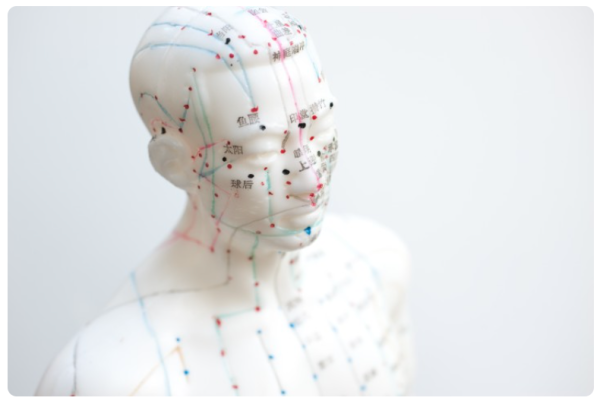
- Treatment of the Hua Tuo points. Also called the huatuojiaji points, these important acupuncture points are named after the doctor, Hua Tuo, who lived in the early third century. This group of points is located on both sides of your spine, about a half-inch lateral to the spinous processes of T1-L5. (The lower part of your neck all the way through your lower back. The Hua Tuo points are especially effective in treating spinal injuries and disorders, rotational issues, spinal nerve conditions, disc problems and pain related to all of these conditions. The Hua Tuo points are even used to treat issues at the same level on the front of the body or internally, such as digestive issues.
- Meridian style acupuncture. There are twelve regular pathways on your body (plus some extras), on which most of the acupuncture points are located. Meridian style acupuncture involves assessing which pathways an injury or condition falls on and treating it by needling points along those specific pathways. For example, your acupuncturist might use a point on the meridian that isn’t even close to your painful area on the same meridian pathway.
- Tendinomuscular acupuncture. In this system of acupuncture, there are also twelve pathways, but they pass through the depressions and planes between the muscles and tendons. These tendinomuscular pathways loosely follow the original meridian pathways, but are more superficial and don’t reach or affect your internal organs. This style of acupuncture is similar to meridian style, but it involves treating connective tissue injuries and more suited for connective and soft tissue conditions and overuse issues.
- Nerve pathways. Your body consists of dermatomes, which are distinct areas of your skin where sensory nerves originate from a single spinal nerve. This means that nerve pain can be traced back to a specific spinal nerve based on where it’s occurring. Dermatomes not only provide information in the assessment of a nerve impingement or injury, but can provide information on which spinal nerve to focus on for treatment. In a similar fashion, treatment based on myotomes, which is a group of muscles innervated by a single spinal nerve, is also an effective style of acupuncture for sports-related injuries.

With the exceptions of concussions and cuts, sports injuries involve musculoskeletal conditions, which simply mean injuries to your muscles, skeleton (bones), joints and the connective tissues, such as ligaments and tendons, that hold these things together. And while I use the term sports acupuncture, I’m talking about any musculoskeletal injury that occurs from work, physical activity, accidents, falls and overuse.
Sports Injury Treatments in Vancouver
Yes, sports acupuncture is a thing, but in addition to acupuncture, there are a number of modalities that are excellent for sports injury treatment. Below is a list of the therapies I offer that are best suited for treatment and rehab of sports and musculoskeletal injuries:
 Acupuncture. A series of acupuncture treatments provides pain relief, reduced inflammation and increased circulation, all of which help to speed up the times it takes to heal your injury.
Shockwave therapy. This is the use of a hand-held device that delivers pulsed sound waves that are applied to the injury or treatment area. The waves penetrate into your injured tissue to stimulate cellular metabolism, increase circulation, break down scar tissue, and help to rebuild healthy tissue. Because shockwave therapy is effective in treating connective tissue, such as muscle, tendons, ligaments, fascia and bone, it can be a great therapy option for chronic injuries or those that are hard to treat.

Cold laser therapy. This is a treatment that uses light emitted from a low-intensity laser. The light penetrates deep into the injured tissue to trigger biochemical changes at the cellular level. This prompts the repair of damaged tissue and helps it heal and regenerate. Cold laser therapy can help alleviate pain, decrease swelling, reduce inflammation and help regenerate new connective tissue.

Herbal medicine. The use of Chinese herbs helps to prolong or augment other treatments, especially acupuncture. Each individual herb has specific actions, and they can be combined into a formula to relieve pain, reduce swelling, improve circulation, reduce inflammation and promote healing.
Cup ping. While the practice of cupping is an ancient therapy, it has become better known in the past several years thanks to elite athletes who have shown up to meets and events with cupping marks. Cupping is a healing method in which a vacuum is created in a cup or a series of cups placed on your skin. The vacuum can be created by pumping the air out of the cup through a gasket system, squeezing the air out of soft cups, or by placing a small flame into a glass cup for a moment to create a vacuum and then quickly placing the cup on the injured area. (No worries, the flame is removed and nobody gets burned!) Cupping works a bit like a reverse massage, in which the skin, muscle and fascia is pulled rather than pressed. Its therapeutic benefits include increased circulation, pain relief and the tiny broken capillaries that ensue create a microtrauma that encourages your body to speed up healing to the area.

Gua Sha. Similar to cupping in that it creates a microtrauma, Gua Sha involves scraping the skin and underlying muscle with a dull Gua Sha tool to create a microtrauma that your body mobilizes to heal. Both cupping and Gua Sha leave a red mark, similar to a bruise, which stimulates your body’s anti-inflammatory response, increases circulation and speeds up healing.
Microcurrent. In some instances, your practitioner may add a form of electrical stimulation to your treatment. This may be in the form of a painless electrical current applied to inserted acupuncture needles, or the stimulation of points with a handheld microcurrent device or tens machine. The gentle stimulation of points helps to reduce pain, increase circulation in the affected area and reduce inflammation. When electrical stimulation is applied during acupuncture, it amplifies the effect of the needles to promote faster healing. I tend to prefer the use of the microcurrent over the tens as it offers a more subtle and effective healing current.
Therapeutic exercise. When you’re injured, it’s hard to know when and how to get back to your regular activities. That’s where therapeutic exercise comes in. When I am working with sports injuries I often suggest stretches and exercises that are appropriate to your current situation to help you strengthen and heal without sustaining further injury.

Living in such an active city as Vancouver, sports injuries often happen. However, there are an endless number of therapies, systems and schools of thought on how best to treat them available if you should become injured. Because of my own athletic lifestyle, I understand how frustrating it is to be sidelined, so sports injury treatment is an area of personal interest and experience for me. If you’d like to know more about how I can help you recover from your athletic injury, please contact me.
Click here for a free 15-minute consultation!


Dr. Jeda Boughton is a Doctor of Traditional Chinese Medicine and Registered Acupuncturist in Vancouver. She is also a Registered Herbologist and the founder of BodaHealth.


